Make Country Stronger
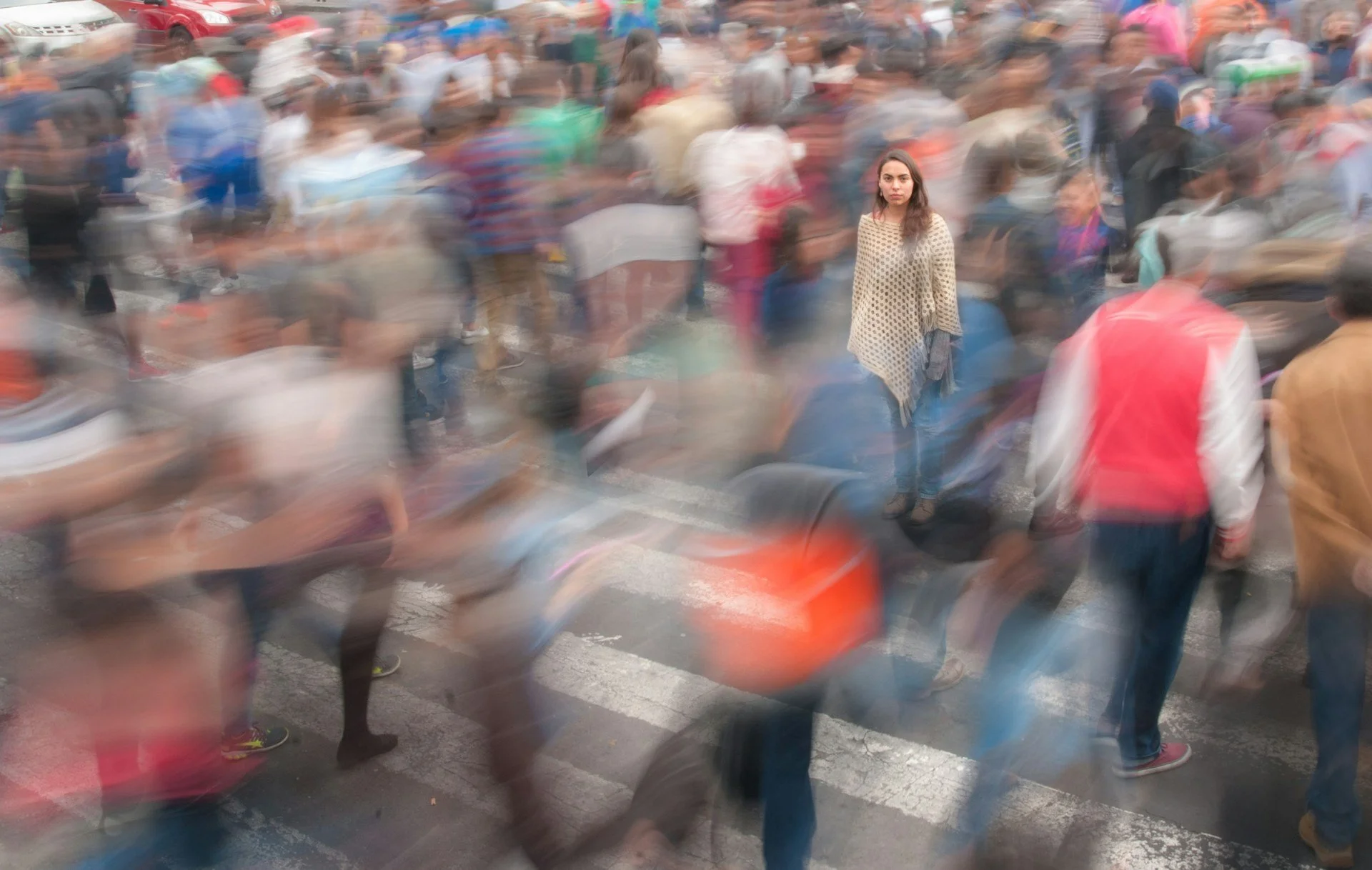
Alone in the crowd, Ciudad de México. Photo by Rodrigo Gonzalez
Mari and Nerida stayed in a small house on a busy corner of a rural town. Mari, eyes closed, spine straight and relaxed, channelled fluently as Nerida recorded, made notes, let the grand energy of the channelled being energise and inspire her.
A brick wall lit by late morning sun filled the kitchen window. She knew her straggly tomato plants were out there in the grey soil, recovering from last week’s heatwave. Fine-haired roots reached for the water and energy to transform their withered yellow flowers to fruit. Taking the spark and filling out into fat, juicy tomatoes.
‘I want to ask about our planet,’ Nerida said. ‘The weather, the earthquakes, the floods and fires. When we first began talking a dozen years ago, I was told by you and our friends that it was going to get much worse. That I had really no idea.’
‘But didn't it?’ the spirit enquired.
‘It did indeed,’ she said.
‘We tried to tell you, you were not very open to that idea.’
She released a sigh of tension. ‘I resisted it. It felt impossible to imagine. Perhaps it was too painful even to think of it.’
‘There will be some more things coming,’ said the non-physical being. ‘Things will get a lot worse before they can get better. At the moment, you still--I'm not talking you personally, but ‘you’ as humanity--you still have no glimpse of how bad it could get.
‘It will get there if is no action taken. The planet is going to shake those parasites off. We kind of told you. And it's happening all over the place.’
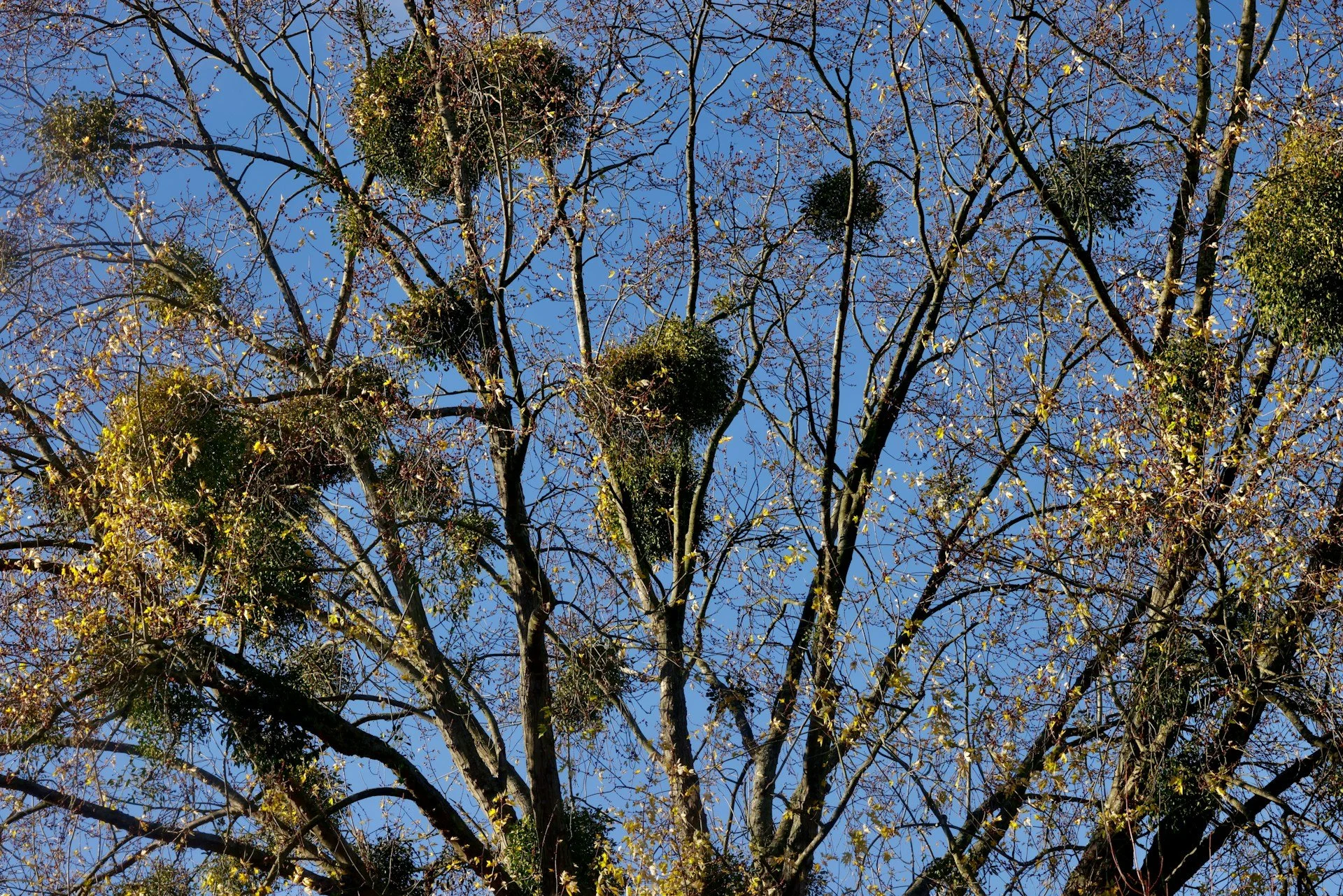
Parasitic mistletoe. Pic by James Wainscoat
She felt safe in the vast energy the being brought to the conversation, despite the challenging perspective they offered. This understanding was not so different, after all, to that of her colleagues in science and medicine. But there was a noetic quality to this channelled material. She felt the truth resonate in her body. ‘Yes.’
‘Producing more humans is not the solution. Especially if you produce more of the ones with the wrong mindset. So, let's say, humans in a less developed setting, a less fortunate area, produce more children as a safety net, thinking “They will take care of me later.” If those children then move on to areas that are already overpopulated, this will enhance these problems.
‘And the ones that produce those offspring in the first place won’t be helped. Because they go off and cause more problems somewhere else.
‘So, people should spread out more in areas where they already are, take care of the land and the environment, ensure they keep things growing.’
This resonated with Nerida’s indigeneity. Look after Country where you are. Strengthen and nourish it, as Country holds and supports you.
‘Make it stronger,’ agreed the channelled being. ‘If there is a very hard place that hasn't got much shade and you cut down the last shade that's there, that's a big issue.
‘Yeah.’ Nerida knew the struggle of a tree in the baked earth of inland Australia.
‘And making an excuse like, “Oh, not many people live there, so it does not matter in the whole picture”? Of course it matters! You have to protect those areas. You have to make the shady areas bigger. You can't rip out all the plants or straighten all the rivers to prevent flooding.
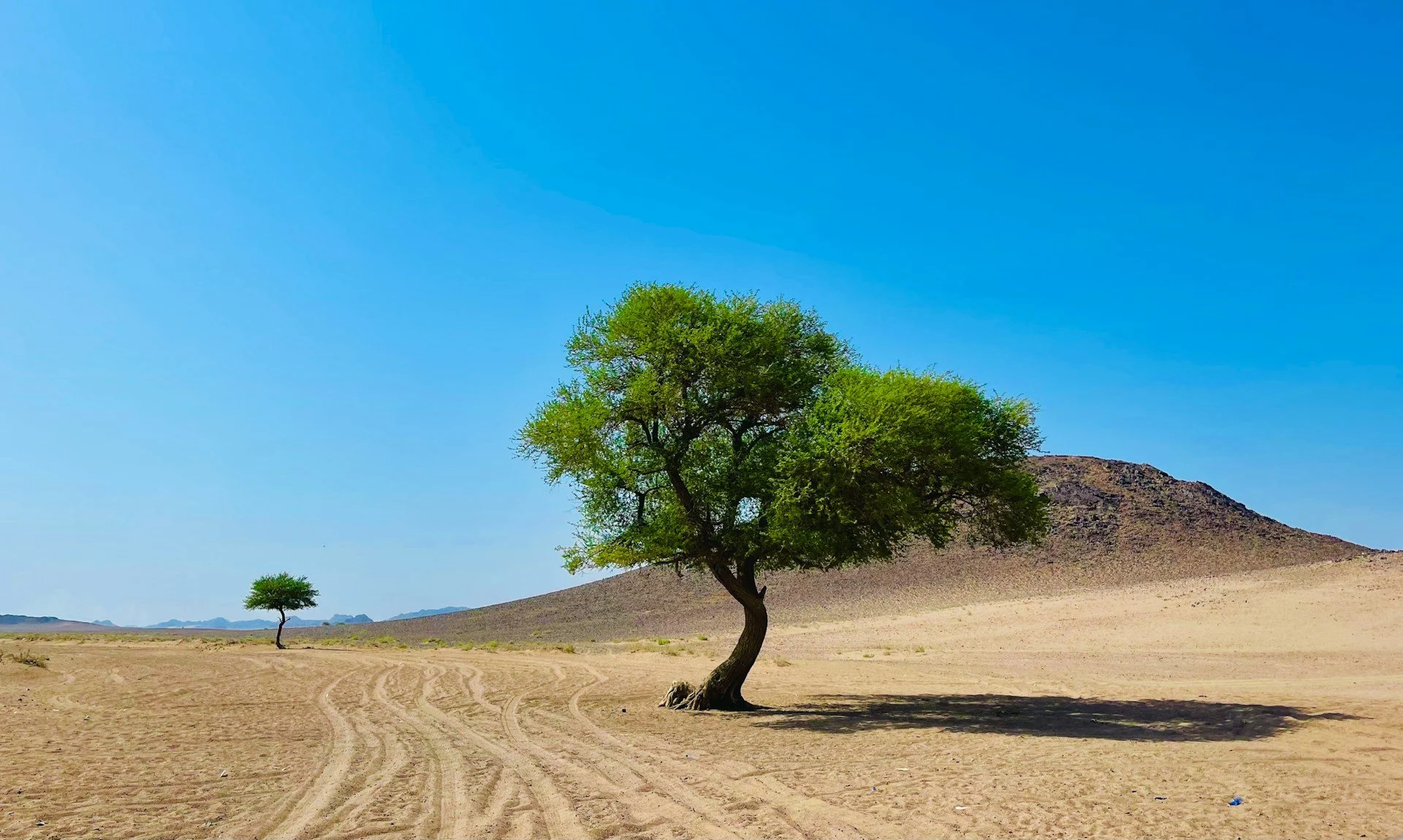
Acacia tree providing precious shade. Ha’il, Arabian Peninsular. Pic by Rabah Al Shammary
‘Try this: Just don't live in the areas that are flooding regularly.
‘The floods will be a lot more and a lot worse in years to come. So moving there or staying there is not a solution.’
Nerida’s Aboriginal family came from a land of rivers. She was connected, through her father, to the powerful country around the headwaters of their river, up in the mountains. The weather there had always been extreme. In the winter, it was often the coldest place on the island. Their clan used to walk down to the coast seasonally for relief, company and exchange.
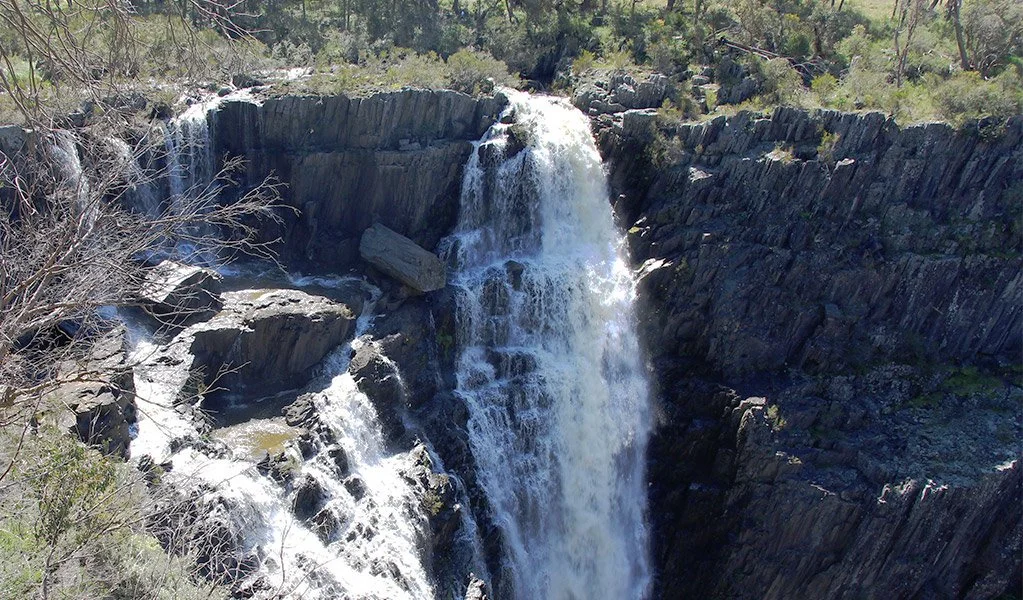
A place where the Rainbow Serpent comes out of the earth. Apsley Falls, northern New South Wales. Photo by National Parks NSW.
Whenever she and Mari travelled around there, they worried for the people on the floodplains, along her clan’s river, and between all the many rivers’ branches. Land was less expensive and more fertile there. And Nerida felt longing for her Country, especially when she was away. Because of that, they thought about living there.
But even a house built on a haha or on stilts, as many on the floodplain were, was not high enough anymore. And that frightening torrent, the muddy, mouldy destruction of the houses, came every year or three now, not once a generation or century.
Mari had made a design in her head for a house that would float when the floods came, which she loved to talk about. Nerida thought of the hundred snakes, many of them poisonous, looking for an island in the floods, the body of dead or dying cattle banging against the walls, then the mosquitoes that bred in the pooled waters. She did not encourage Mari’s vision.
The spirit said, ‘These deltas, and former river deltas, can be used to grow things. But not to live there. The growth, and the people, should go with the seasons.
‘Those seasons have changed, though. Some of them get a lot shorter, in other places seasons get a lot longer. There is this major imbalance.
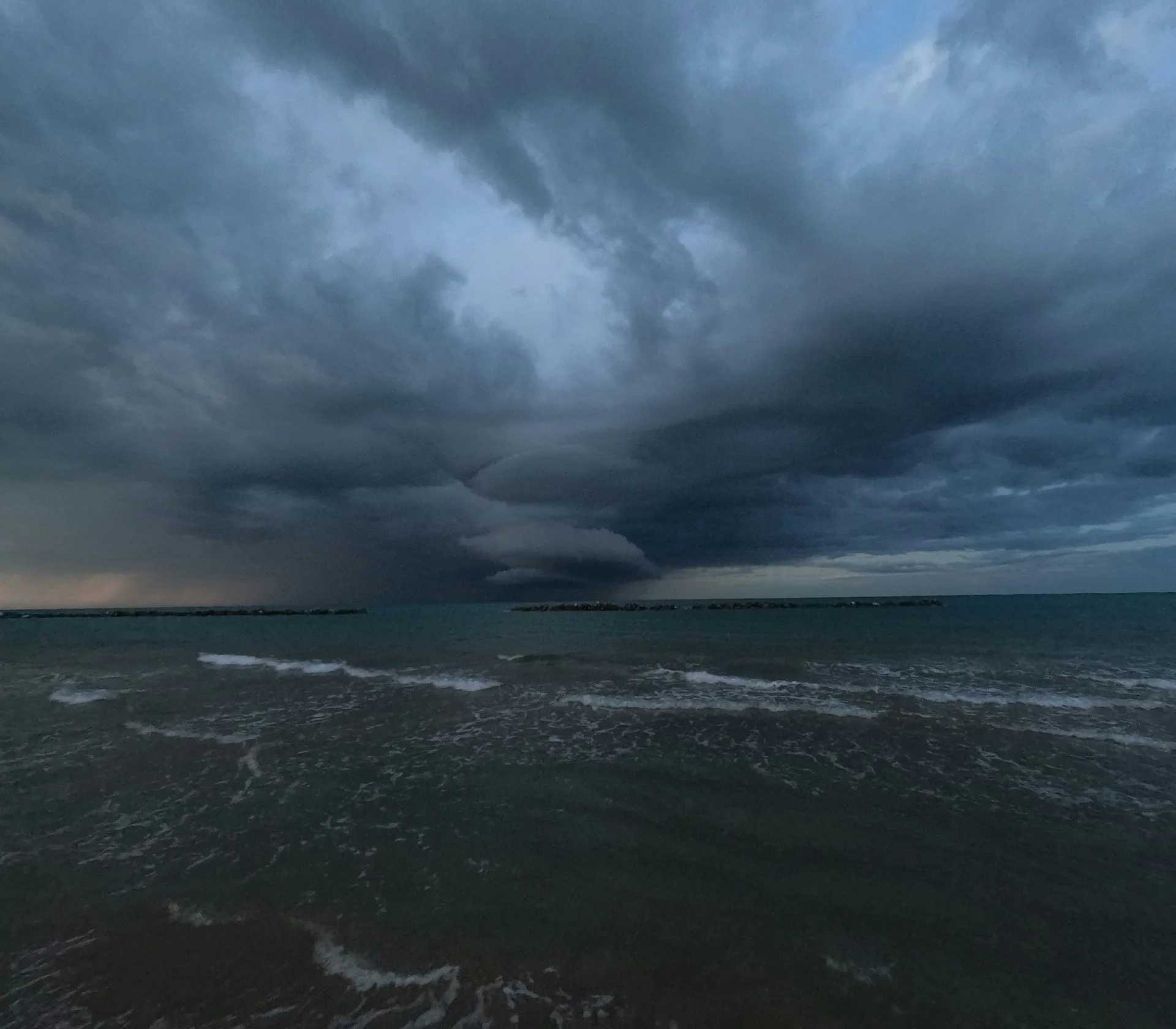
Approaching storm, Italy. Photo by Carlo
‘And putting more humans into the area, just so they go away from somewhere else does not solve that problem.’
Nerida flashed on Sydney. ‘Like, going to the cities where the land is already stressed and unable to support people…’ she said. The land there, from the ocean to the mountains, was overwhelmed by the needs of people teeming and jostling to build their lives there. All the concrete doesn’t help.
Bartgrinn agreed. ‘People will not be able to survive in the cities because they will get too hot.
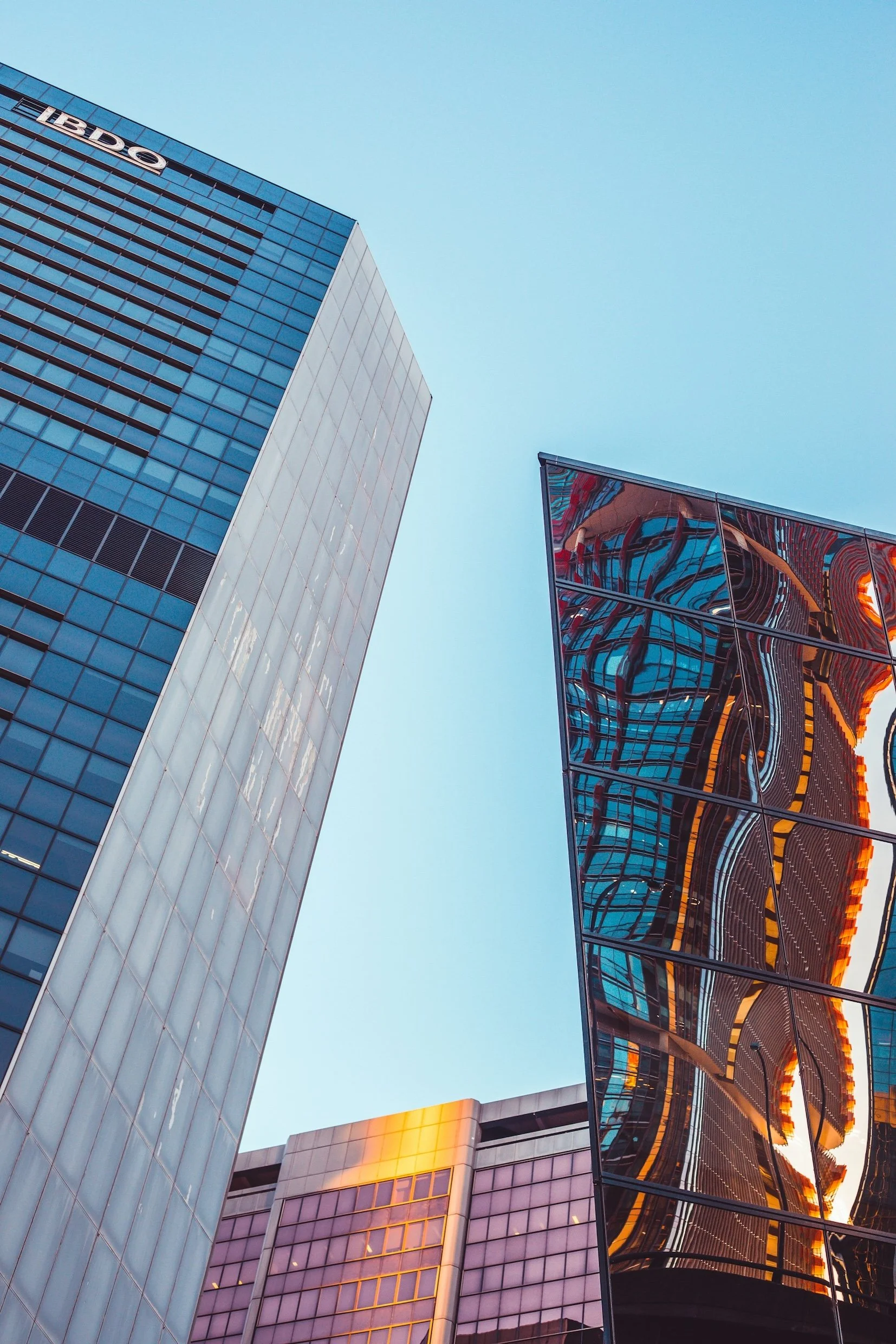
Mirrored buildings in Sydney. Photo by Andrew Klonaris
‘I mean, they put mirrors on buildings because otherwise you would have to turn lights on, artificial lights in brightest daylight because the sun doesn't get through. They try to reflect light from the sun from all the way up, bringing it further down.’ He used Mari’s hands to describe the concrete valley between the city towers, reaching up towards the sun and into the depths of it. ‘They try. So they would not have to turn artificial lights on.
‘It's not the solution. It does not solve the problem. The ones that are very well off will live on the top where they still have light. And in those buildings, the poor people will live in the lower parts, deprived of sunlight.’
Nerida reflected. ‘It's already true.’
‘And the air will be much better on the top levels.’ Bartgrinn seemed to see it. ‘So wealthy people will have these flying machines where they don't even have to go down to the ground because it's so horrible down here. This is where you're heading.’
‘It's grim.’ In Nerida’s mind’s eye, the city was devolving into the set of Blade Runner.
‘Yes. There could be ways to remediate parts of it. Some parts have gone a bit far already, but if you pull a bit back in other areas, there could still be some remedy.’